
Summit HVAC built its reputation helping homeowners stay comfortable through dependable heating, cooling, maintenance, repair, and indoor air quality solutions. But Summit wasn't planning to remain only a residential HVAC company. The next stage of the business was commercial—and reaching it would require more than adding commercial services to the website. Summit needed the infrastructure behind the company to be ready for a larger market, larger opportunities, different customers, and a more complex business.
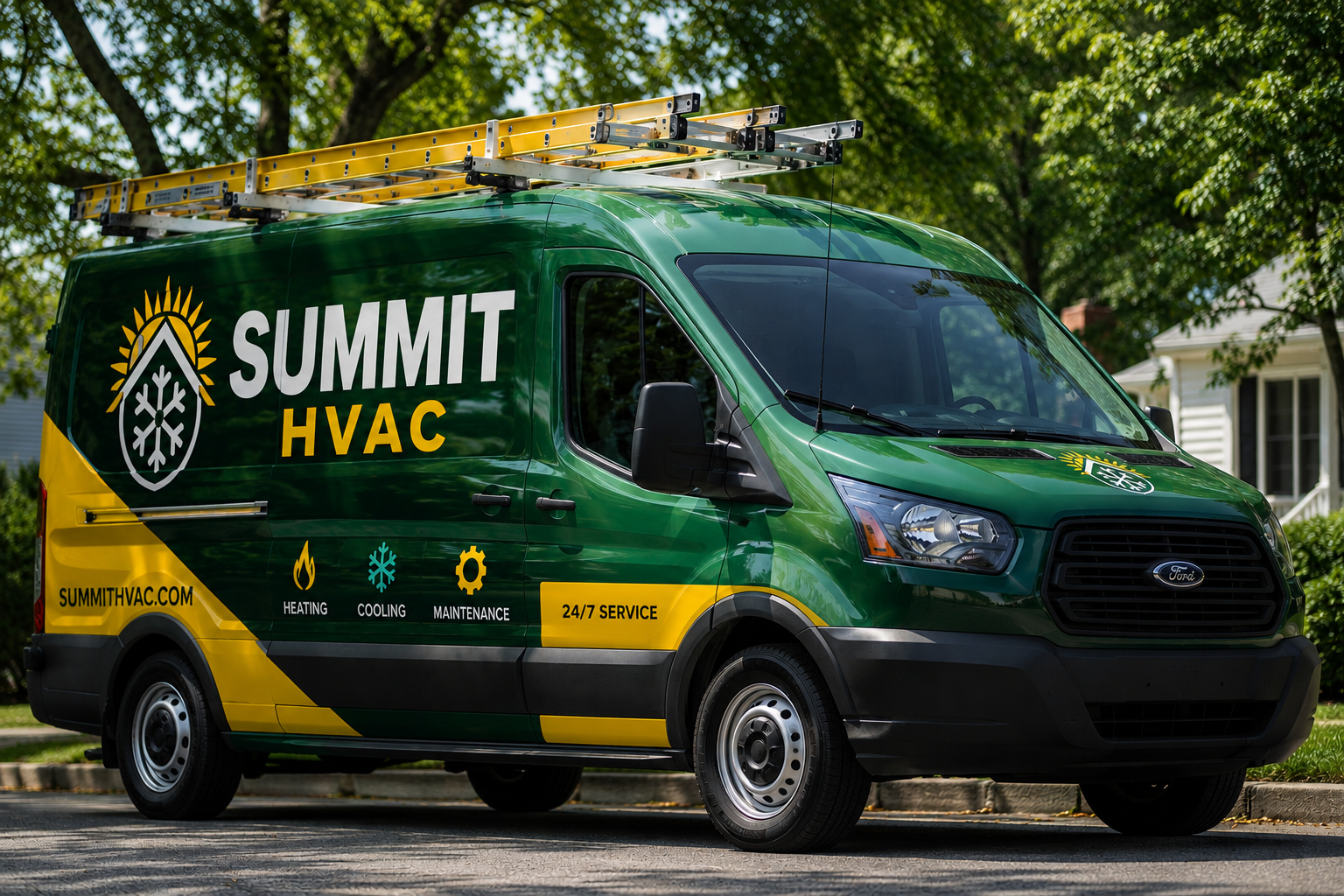
“As we grew, there was just more and more to keep up with behind the scenes. Task Allot took a lot of that off our plate, so we could stop worrying about the day-to-day stuff and focus on growing the company. Once we had that support in place, we were able to go after opportunities we didn't have time for before. With the back-end taken care of, we shifted from residential to commercial, added new services, and even started acquiring other companies, all while increasing profits.” — CEO, $30M HVAC Company
Summit's opportunity wasn't simply entering commercial HVAC.
It was preparing the business behind Summit for what entering that market would require.
The company had already built its foundation serving residential customers through heating, cooling, repair, installation, maintenance, and indoor air quality services. That residential business created the reputation, experience, customer relationships, and revenue foundation Summit could build upon.
But commercial HVAC would change the equation.
A homeowner may call because the AC stopped working, the house isn't heating properly, or an aging system needs to be replaced.
A commercial customer may be responsible for an entire property, employees, customers, equipment, tenants, operating costs, and systems that need to perform reliably day after day.
That creates a different relationship with the HVAC company.
Longer sales cycles. Larger opportunities. Recurring service relationships. More decision-makers. More follow-up. More coordination. More financial activity. More responsibility after the work is won.
And Summit's residential business still needed to run successfully through all of it.
The question therefore wasn't simply:
The bigger question was:
Task Allot approached Summit as one interconnected business, looking at how its systems needed to evolve before growth placed additional pressure on the company.
Because the opportunity wasn't just to become a company that offered commercial HVAC.
It was to become a company structurally prepared to support it.
Summit didn't need to become two separate companies.
It needed one stronger company capable of serving two different markets.
The residential side required speed, accessibility, trust, scheduling efficiency, customer communication, and the ability to consistently manage individual service needs.
The developing commercial side required credibility, relationship building, longer-term follow-up, coordination, account management, operational consistency, and the ability to support larger and more complex opportunities.
Task Allot used the Four Business Engines to connect those needs.
Revenue Generation would protect Summit's residential demand while opening pathways toward commercial opportunities.
Customer Acquisition would allow Summit to communicate appropriately with homeowners and commercial decision-makers without fragmenting the brand.
Operations & Execution would strengthen the systems behind scheduling, communication, follow-up, administration, service coordination, and increasing workload.
Financial Control would create greater structure around the additional financial complexity accompanying a broader business.
Summit wasn't being rebuilt.
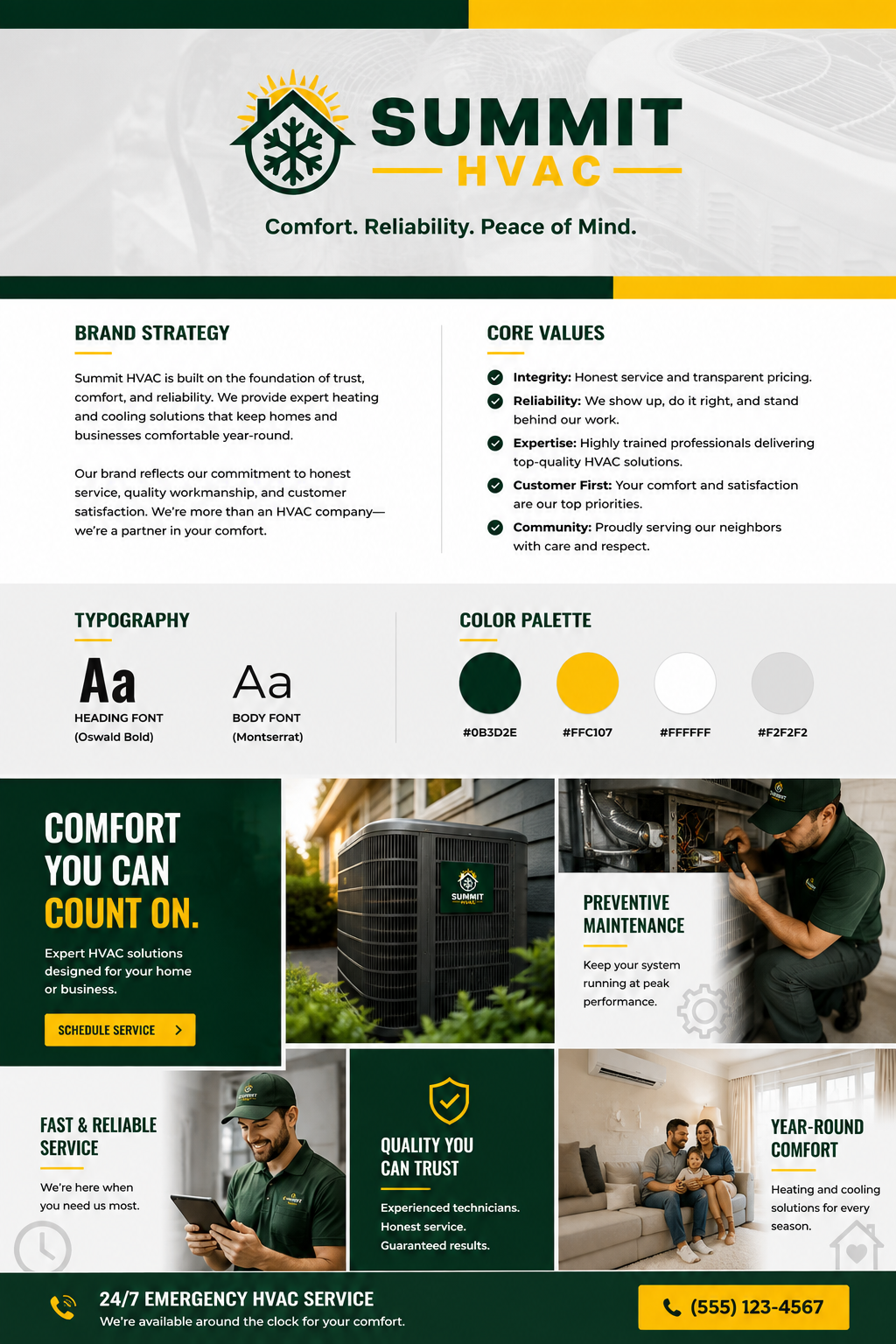
The strategy wasn't to suddenly turn Summit's attention away from homeowners.
Residential remained the foundation.
Heating and cooling repairs, installations, preventive maintenance, indoor air quality, replacements, seasonal service, and ongoing customer relationships continued to create important opportunities for the company.
Commercial HVAC created a second path.
Instead of speaking only to homeowners, Summit could begin building relevance with business owners, property managers, facility managers, builders, and other commercial decision-makers.
The conversations were different.
For residential customers, Summit could speak to:
Comfort • Reliability • Energy Efficiency • Indoor Air Quality • Safety • Responsive Service
For commercial customers:
System Performance • Preventive Maintenance • Business Continuity • Operating Efficiency • Reliability • Long-Term HVAC Support
Task Allot strengthened the Revenue Generation Engine through:
This wasn't about replacing one revenue stream with another.
It was about creating multiple paths to growth without weakening the foundation underneath them.
Summit wasn't dealing with one customer journey anymore.
A homeowner may be asking:
Can you come quickly? Can I trust the technician in my home? Can you fix the problem? What will it cost?
A commercial decision-maker may be asking:
Can you support our facility? Do you understand commercial equipment? Can you respond when we need you? Can you help prevent downtime? Can we depend on you long term?
Same HVAC company.
Very different buying decisions.
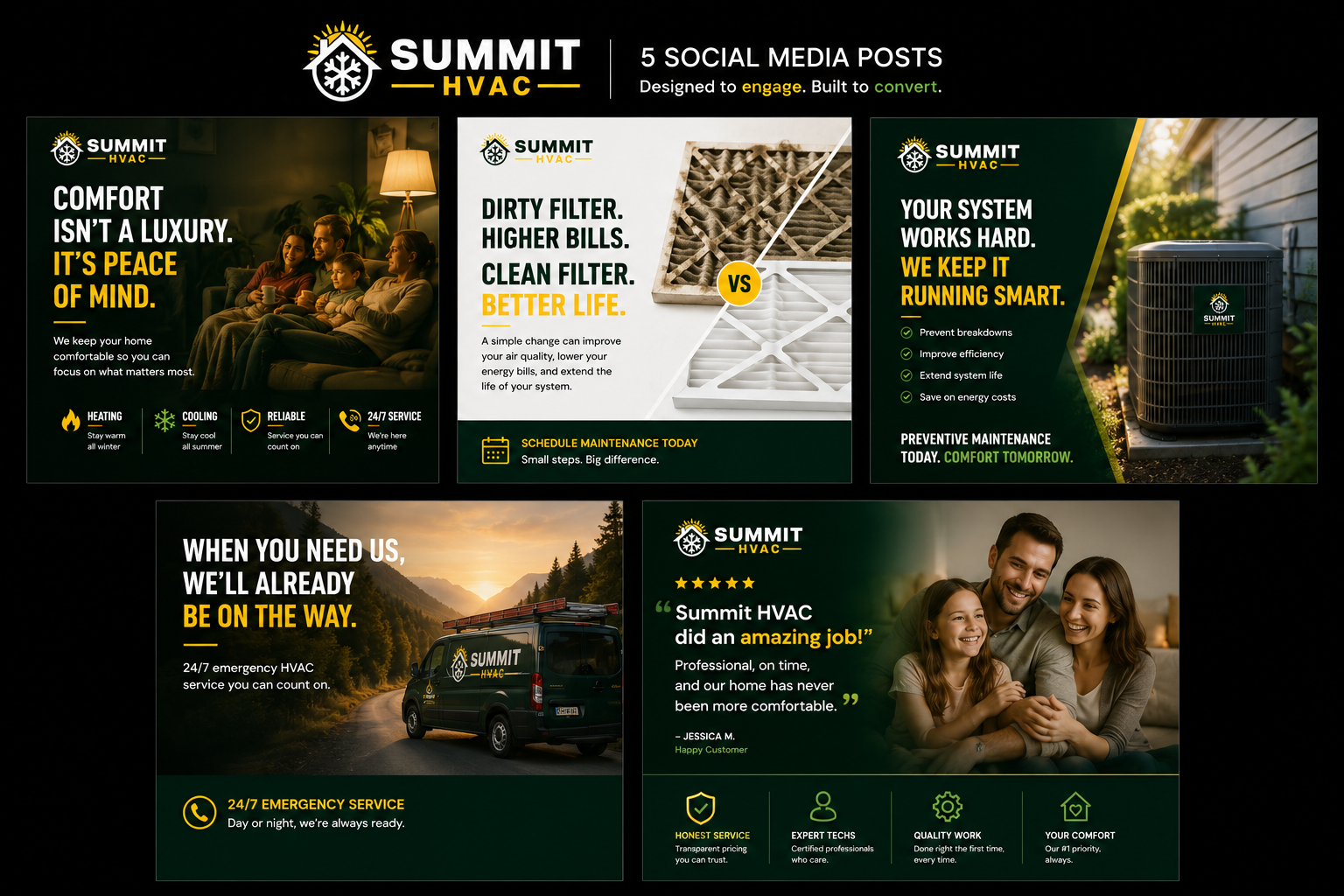
Task Allot strengthened Summit's customer-facing infrastructure so the company could communicate differently to each audience while remaining one recognizable brand.
The website, positioning, messaging, content, reputation, service presentation, trust signals, and conversion pathways needed to move prospects through:
Awareness → Understanding → Trust → Action
Residential customers needed to see a dependable HVAC company capable of protecting their comfort.
Commercial prospects needed to see a potential HVAC partner capable of protecting their operation.
The objective wasn't simply making Summit look larger.
Winning more work sounds like growth.
But every new opportunity creates something behind it.
A lead needs follow-up.
An estimate needs attention.
A customer needs communication.
A technician needs scheduling.
A maintenance relationship needs tracking.
A commercial account may require ongoing coordination.
Documentation has to stay organized.
Someone has to make sure nothing falls through the cracks.
And while all of that happens, Summit's existing residential customers still expect the same level of service.
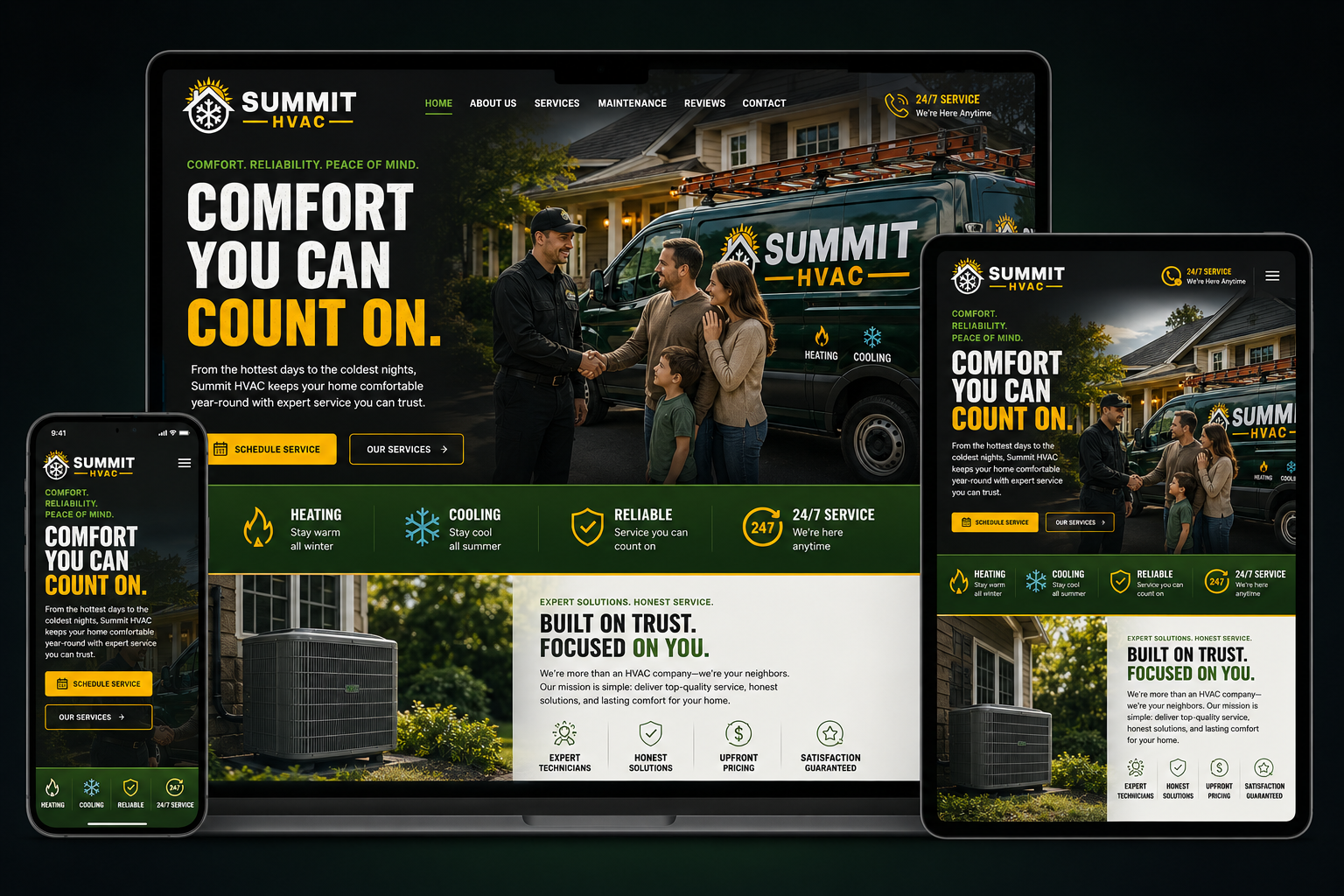
Task Allot's Operations & Execution approach focused on strengthening the systems surrounding:
The goal was not simply to make Summit busier.
Because commercial expansion shouldn't mean the owner and existing team simply absorb another layer of work.
The infrastructure behind them needed to become stronger too.
Residential and commercial HVAC can put very different demands on cash flow.
Residential service often involves shorter job and payment cycles.
Commercial relationships may involve larger invoices, longer payment terms, recurring maintenance agreements, greater material costs, additional labor requirements, outstanding receivables, and projects whose financial impact extends over a longer period.
More revenue moving through Summit wouldn't necessarily mean greater financial control.
Task Allot's Financial Control Engine focused on strengthening the systems surrounding:
The objective went beyond processing transactions.
Leadership needed the ability to understand what was happening behind the revenue.
What is coming in?
What is going out?
What is outstanding?
Where is the company making money?
Where is growth creating additional cost?
And what can Summit confidently support next?
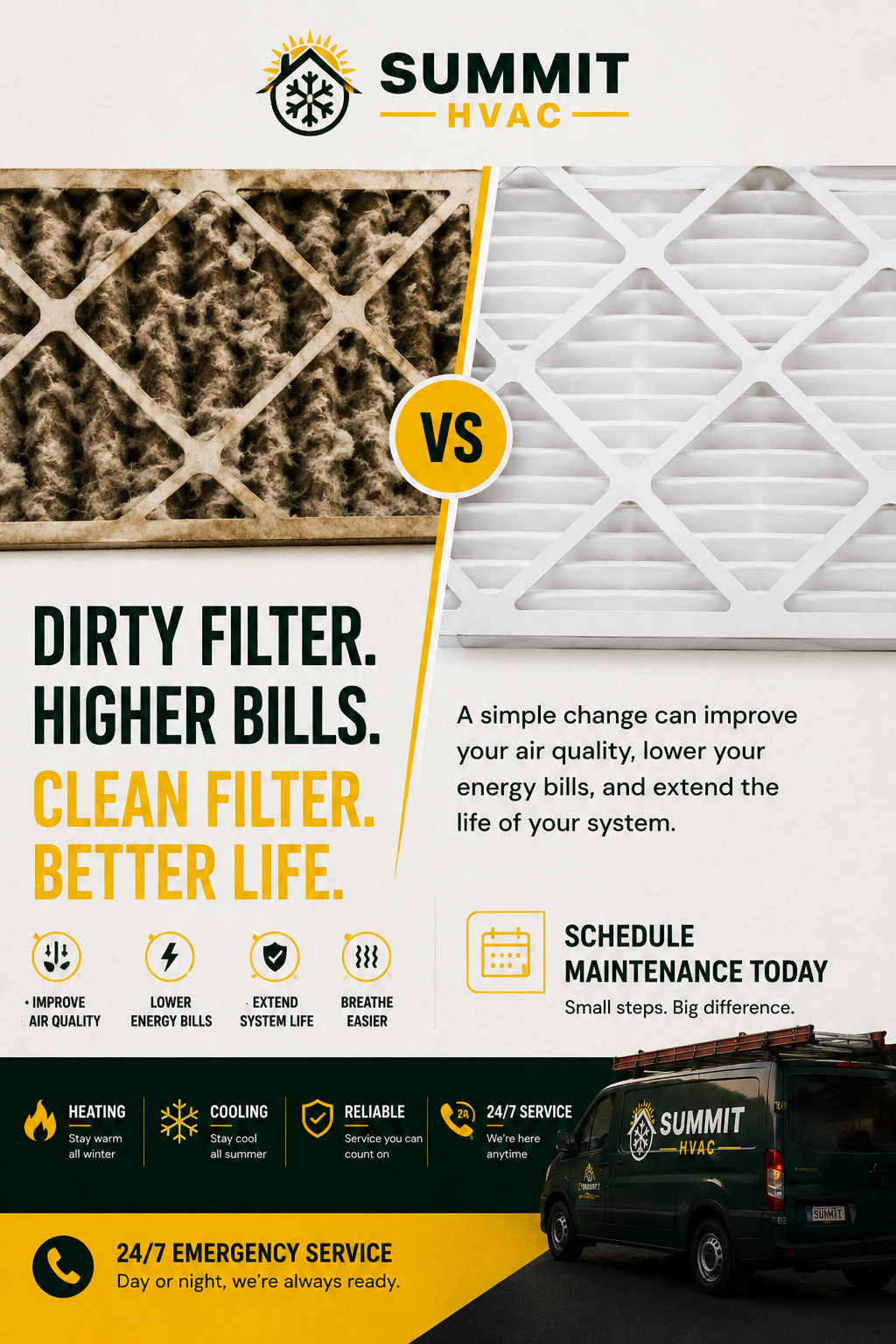
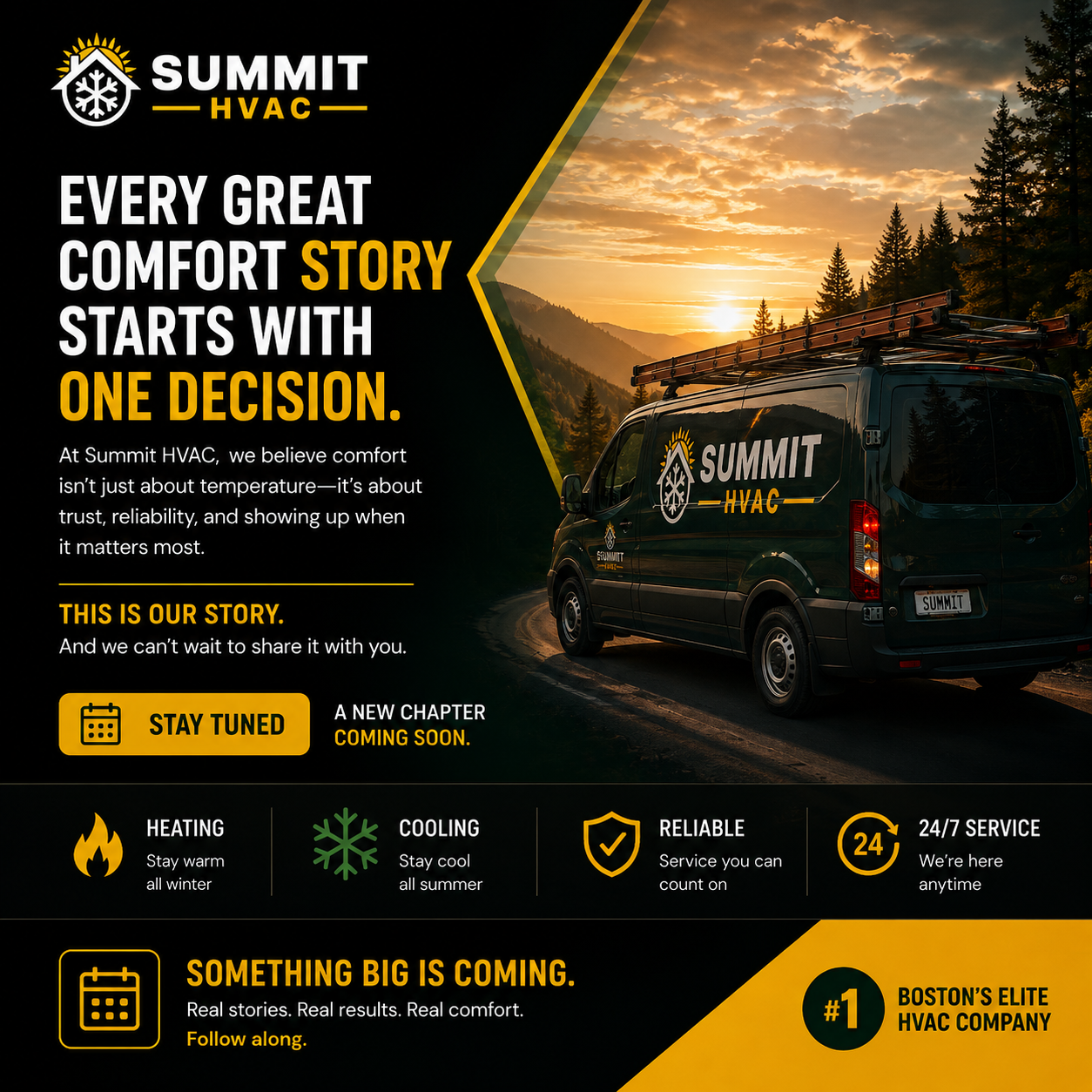
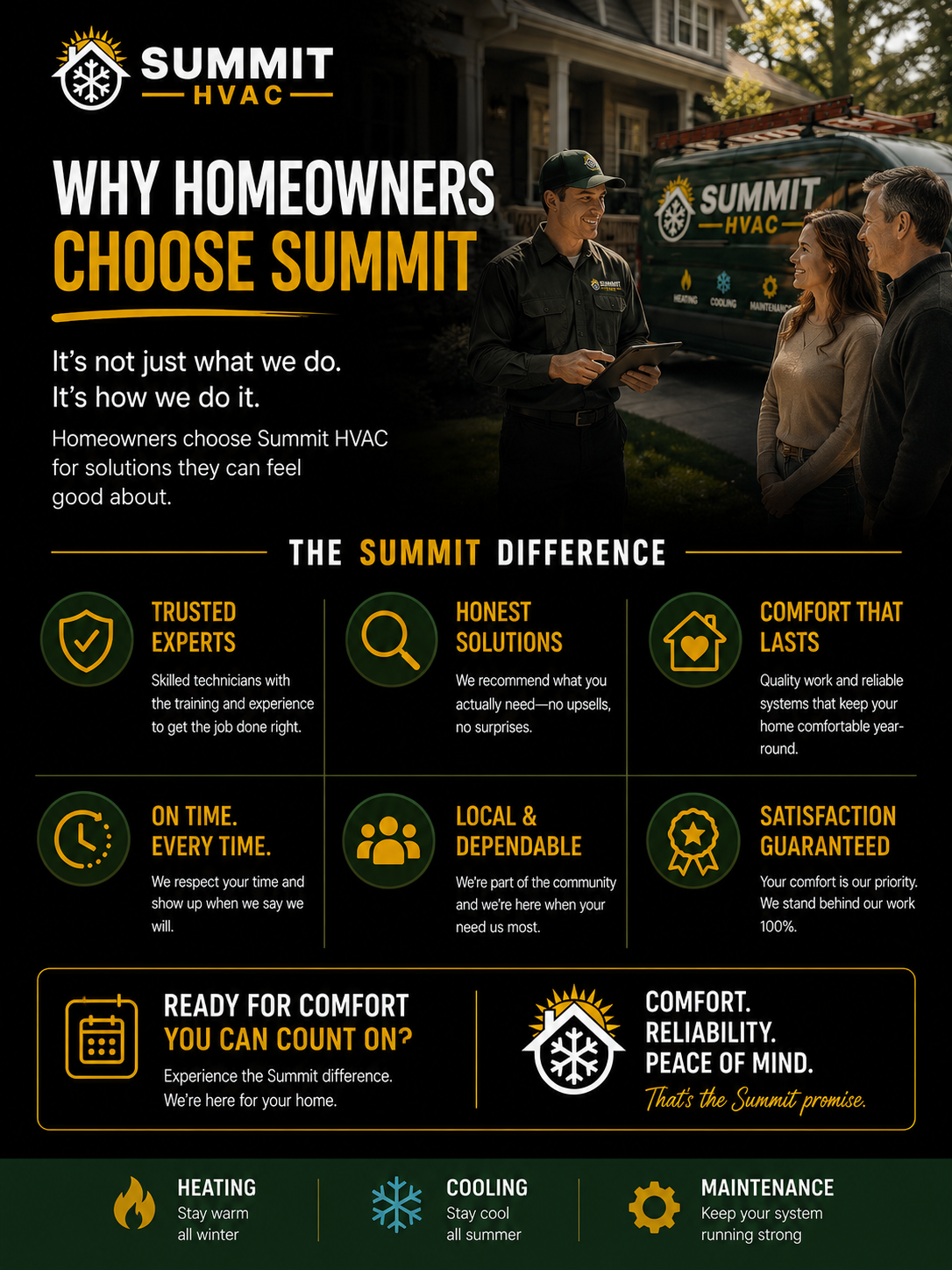
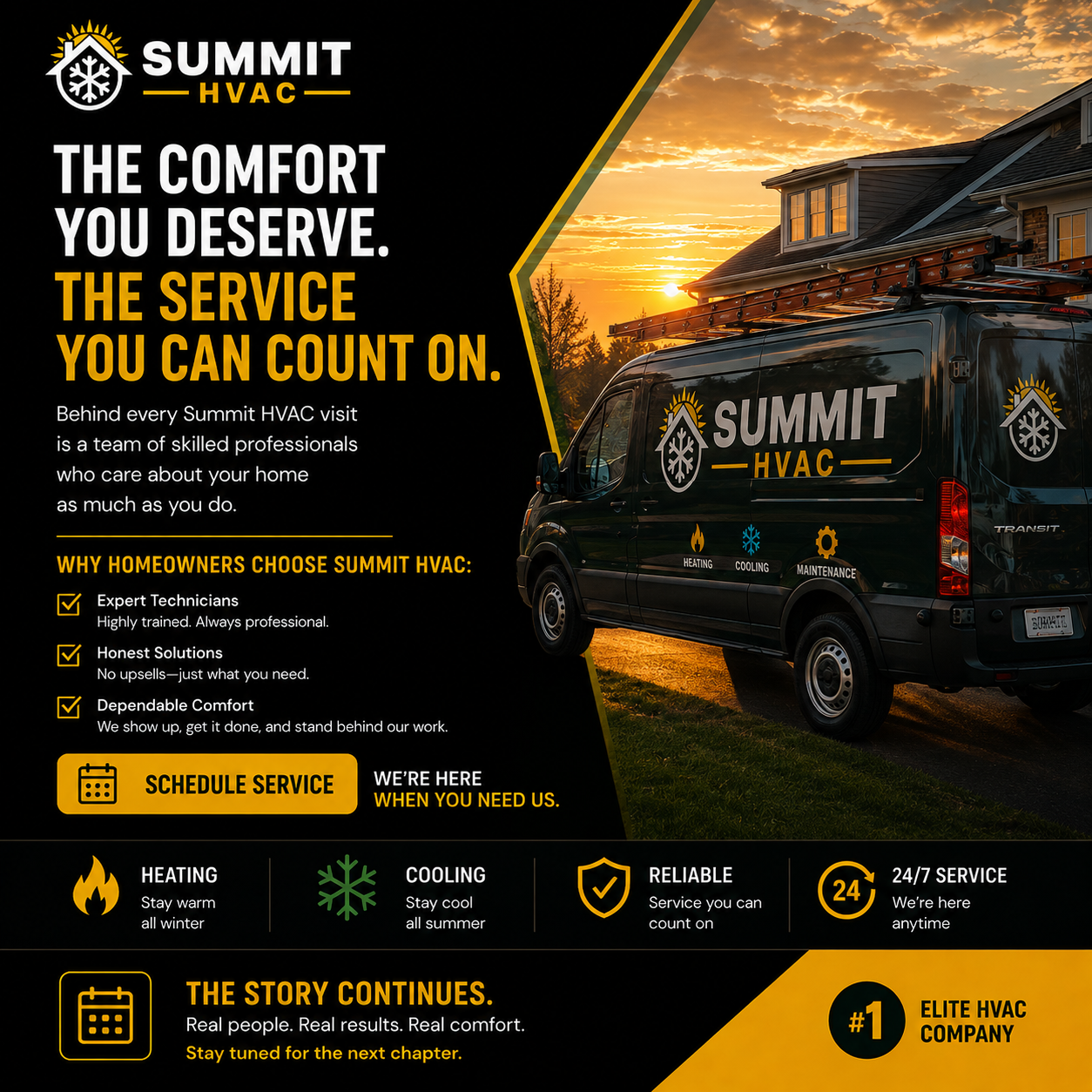
FiveFrames are just one of the video styles we create. These five-second cinematic stories are designed to communicate a complete idea in moments—using storytelling, movement, emotion, and brand identity to make an immediate impact. From quick-hit content like FiveFrames to full-length commercials and brand films, each video format is developed around the story the brand needs to tell.

.png)
The company could now approach commercial expansion as part of a larger business strategy rather than an isolated opportunity.
Revenue Generation created room for Summit to protect residential demand while developing new commercial opportunities.
Customer Acquisition strengthened how homeowners and commercial decision-makers could understand, trust, and engage with the company.
Operations & Execution focused on the capacity required behind the scenes as additional work entered the business.
Financial Control strengthened the structure needed to understand and manage a more complex revenue model.
And because those engines were approached as one interconnected system, Summit's growth didn't have to depend on one department carrying the entire load.
Summit wasn't simply preparing to look like a residential and commercial HVAC company.
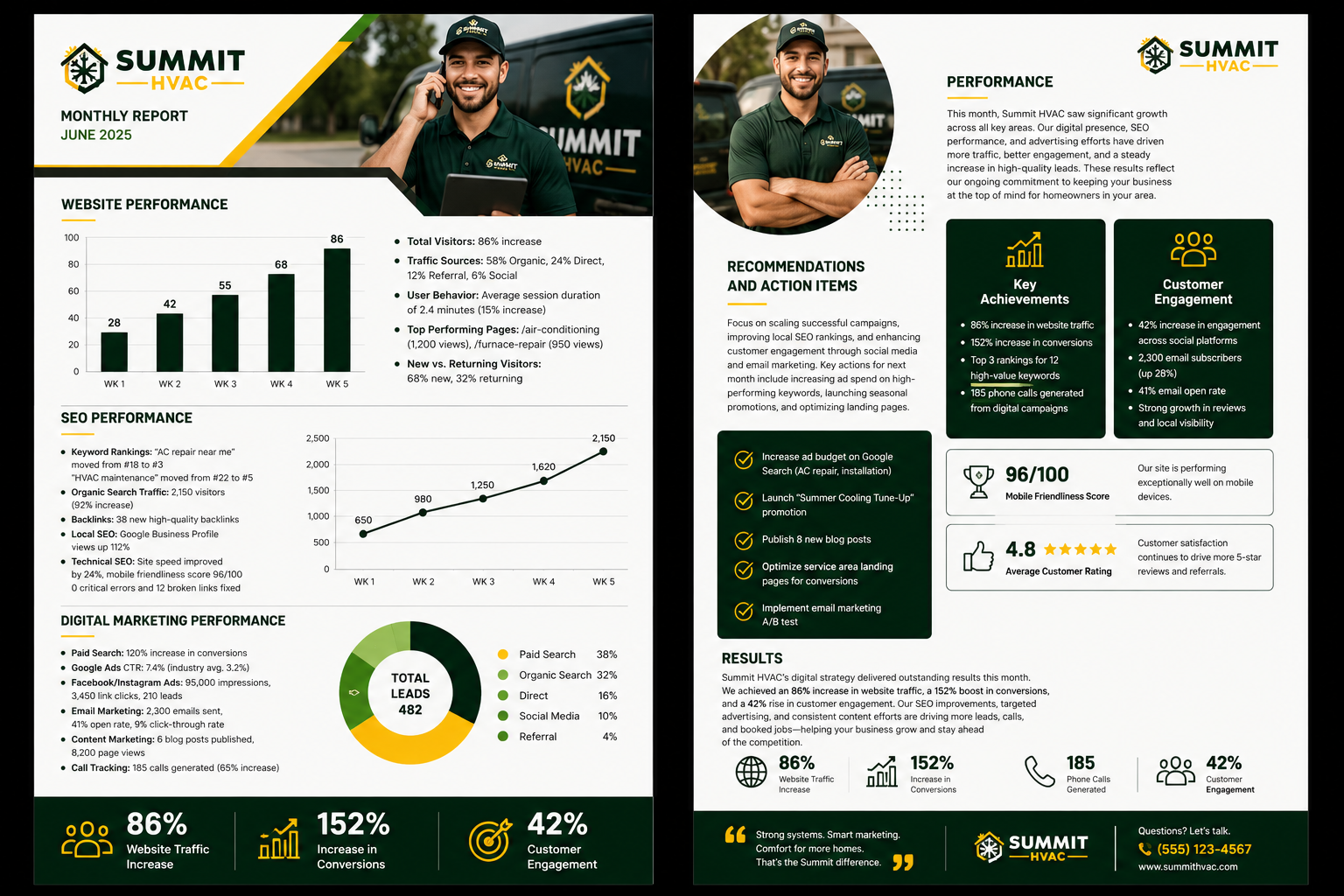
Until we have Summit's actual performance analytics, I would keep the figures tied to the verified scope of the transformation:
Once actual performance data is available, those figures can be supplemented or replaced with real measurements such as commercial inquiries, new accounts, website growth, conversions, maintenance agreements, revenue growth, or operational improvements.
Residential gave Summit its foundation.
Commercial represented its next opportunity.
But opportunity alone doesn't create sustainable growth.
The company needed the infrastructure connecting how opportunities are created, how customers are acquired, how work is executed, and how the financial side of the business is controlled.
Task Allot's role was to strengthen those connections.
Not four isolated departments.
Not a collection of disconnected services.
One business. Four engines. One infrastructure built around where Summit wants to go next.
Summit can continue being the company homeowners trust for comfort while building toward becoming the company businesses trust for reliability, performance, and long-term HVAC support.
